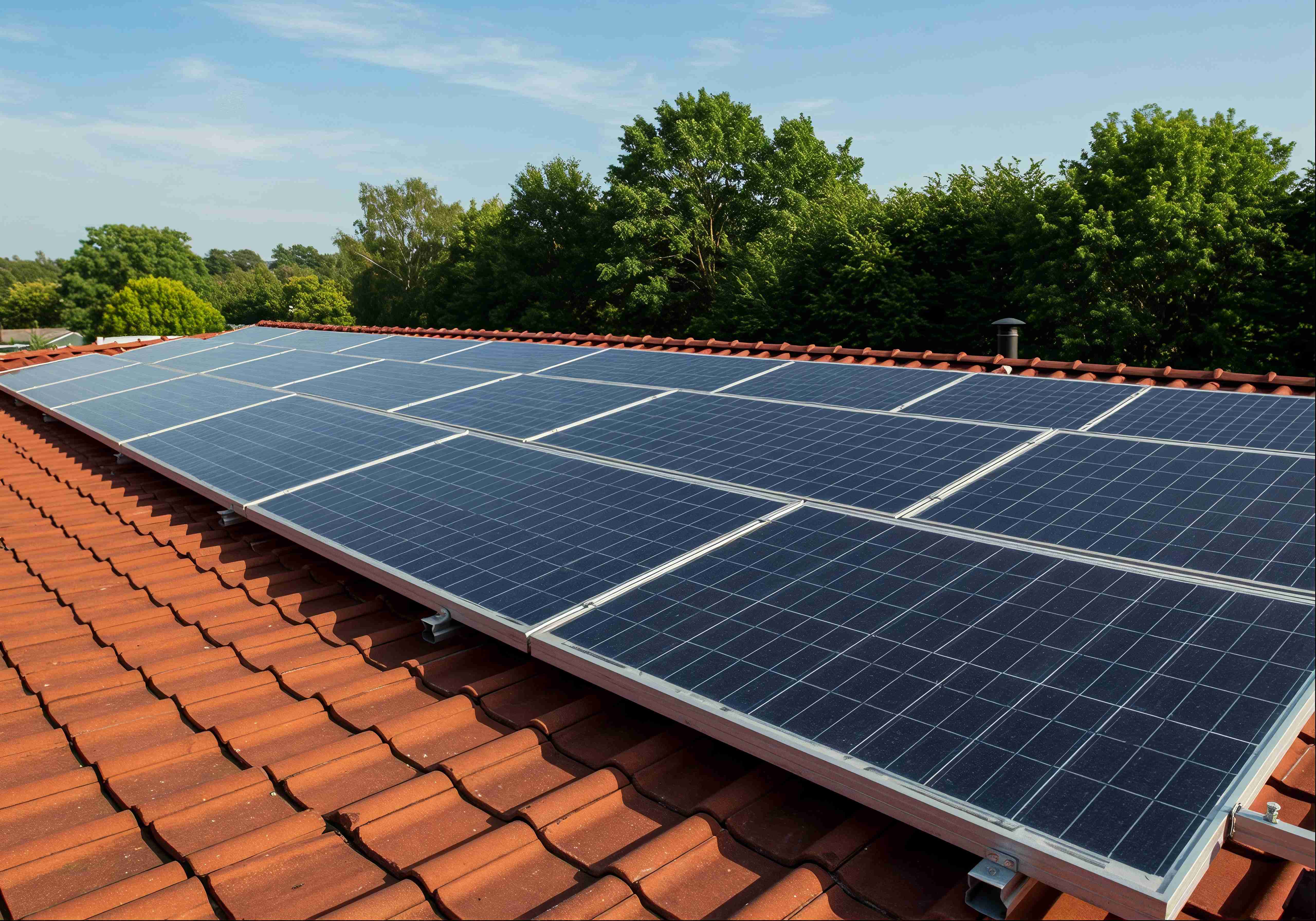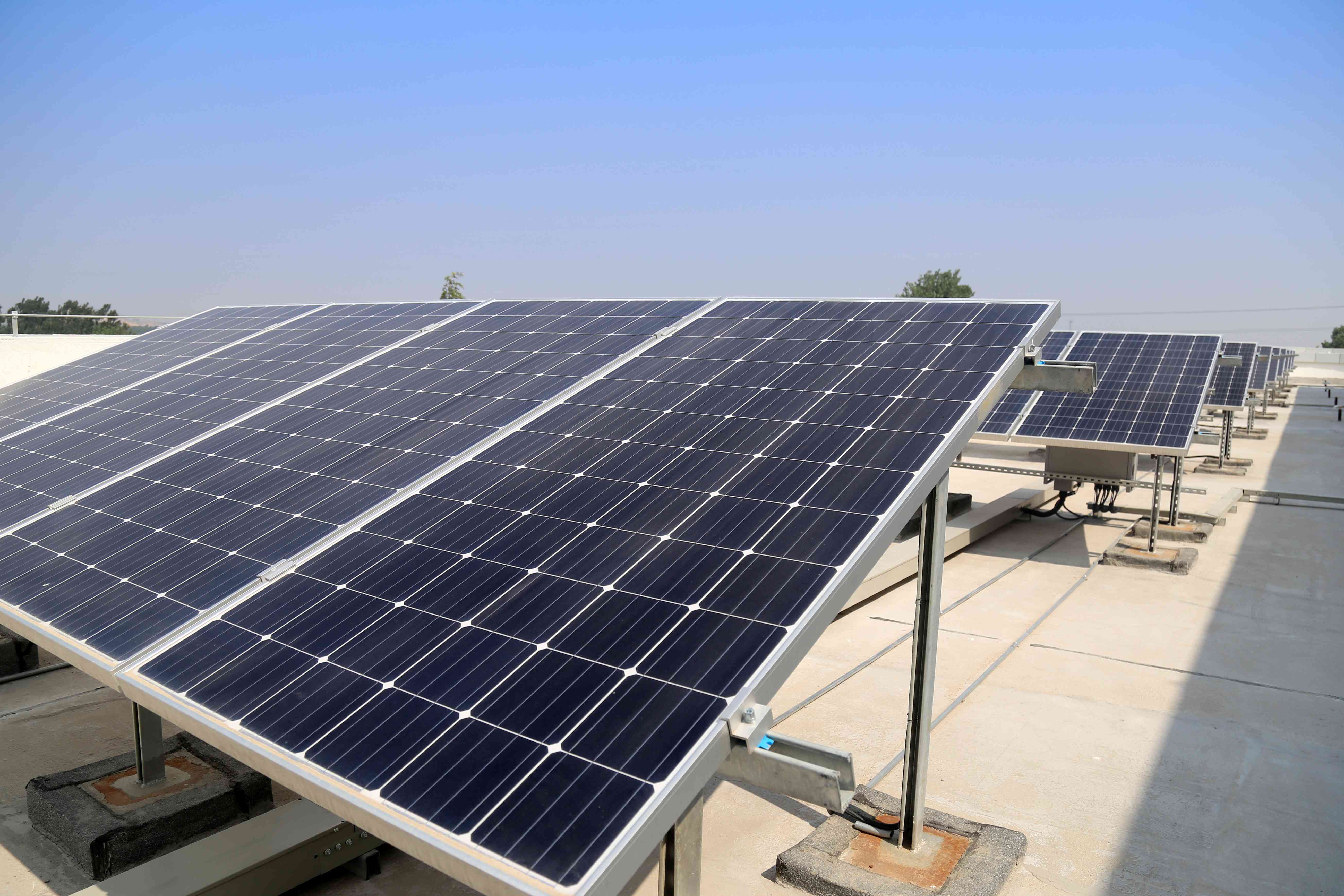
As electricity prices continue to rise and businesses increasingly prioritize sustainability, investing in solar energy has become one of the smartest long-term decisions for homeowners, commercial establishments, and industrial facilities. However, selecting the right solar panel isn't just about choosing the most affordable option—it's about finding the ideal balance between efficiency, performance, durability, and return on investment (ROI).
Whether you're installing a residential rooftop solar system, a commercial solar plant, or an industrial solar power solution, understanding how solar panels differ can help you maximize energy generation and long-term savings.
At Viryasys Technologies, we provide end-to-end Solar EPC solutions, including engineering, procurement, installation, commissioning, and maintenance for residential, commercial, and industrial customers across India.
Why Choosing the Right Solar Panel Matters
A solar panel is expected to generate clean electricity for 25 years or more. Selecting the wrong module may result in:
Lower electricity generation
Lower electricity generation
Reduced savings on power bills
Reduced savings on power bills
Frequent maintenance
Frequent maintenance
Poor return on investment
Poor return on investment
Faster degradation
Faster degradation
The right solar panel ensures:
Higher energy output
Higher energy output
Better performance during extreme weather
Better performance during extreme weather
Lower maintenance costs
Lower maintenance costs
Long-term reliability
Long-term reliability
Faster payback period
Faster payback period
Understanding Solar Panel Efficiency
Solar panel efficiency refers to the percentage of sunlight converted into usable electricity.
For example:
- A 22% efficient solar panel converts 22% of sunlight into electricity.
- A 17% efficient panel converts only 17%.
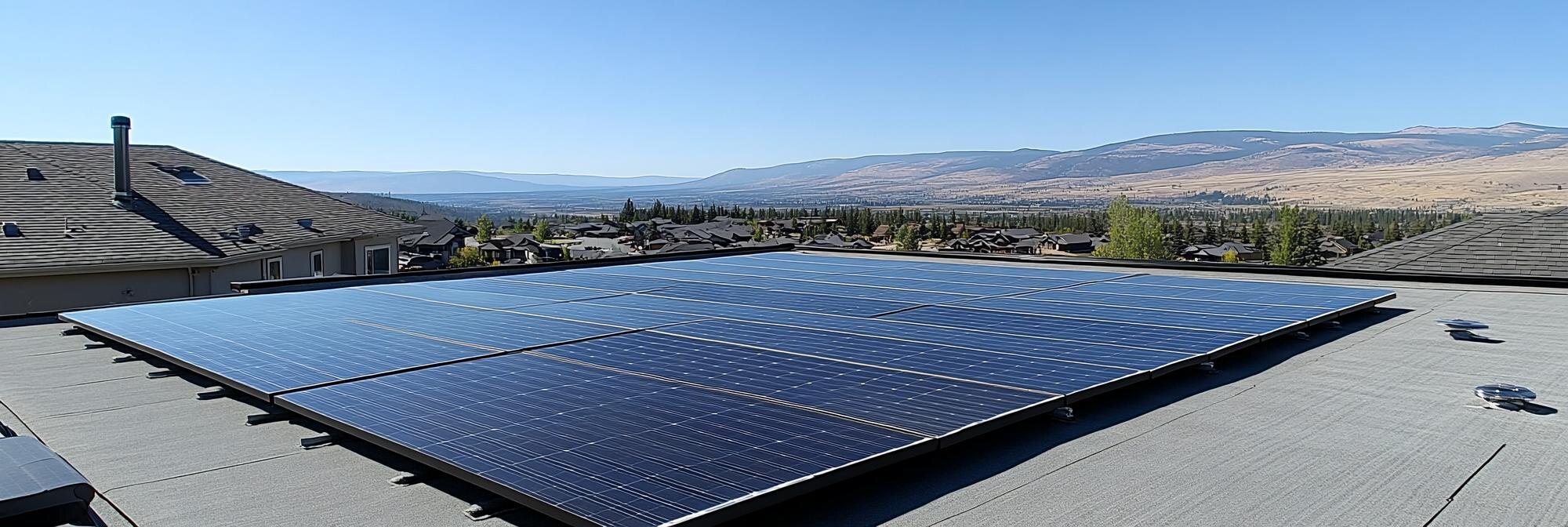
Higher efficiency panels generate more electricity from the same roof area, making them ideal for homes and businesses with limited installation space.
Typical Solar Panel Efficiency
| Solar Panel Type | Efficiency |
|---|---|
| Monocrystalline | 20–23% |
| Polycrystalline | 16–18% |
| Thin-Film | 10–15% |
Best for: Rooftop solar systems with limited roof space.
Types of Solar Panels Explained
1. Monocrystalline Solar Panels
These are the most efficient and widely recommended panels today.
Advantages- Highest efficiency
- Better low-light performance
- Long lifespan
- Premium appearance
- Excellent ROI
- Residential rooftop solar
- Commercial buildings
- Industrial facilities
2. Polycrystalline Solar Panels
These offer a balance between affordability and performance.
Advantages- Lower upfront cost
- Reliable performance
- Good lifespan
- Budget-conscious homeowners
- Medium-sized commercial projects
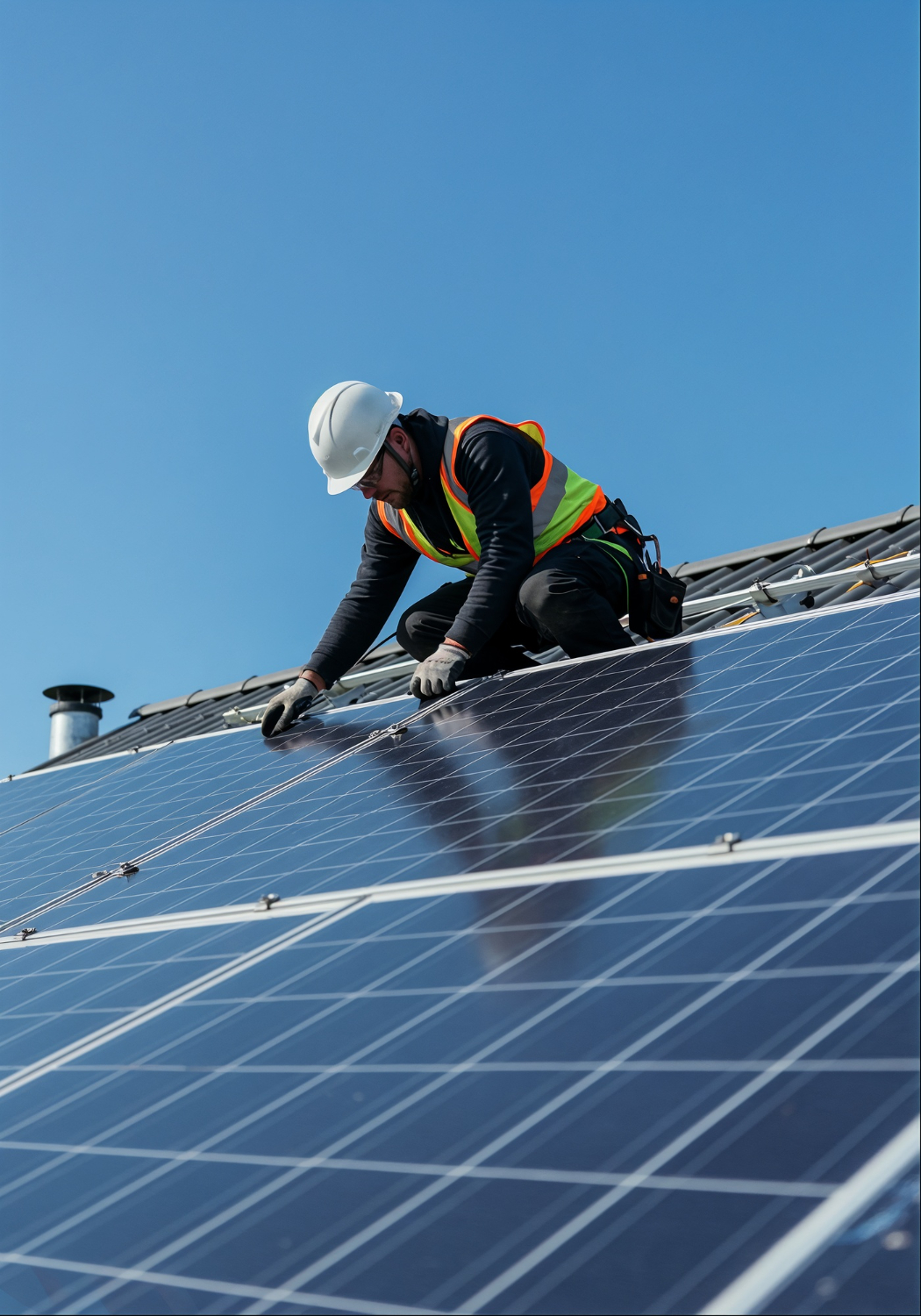
3. Thin-Film Solar Panels
These are lightweight and flexible but less efficient.
Suitable for:- Large industrial roofs
- Portable solar applications
- Special architectural installations
Factors to Consider Before Buying Solar Panels
1. Energy Consumption
Start by reviewing your monthly electricity bill.
Ask yourself:
- How many units do I consume monthly?
- Will my electricity usage increase in the future?
- Do I want partial or complete energy independence?
A professional energy assessment helps determine the ideal system size for your property.
2. Available Roof Space
Limited roof space requires high-efficiency solar panels to maximize electricity generation. Larger roofs provide flexibility in choosing different panel types.
3. Solar Panel Warranty
Look for products offering:
- Product Warranty (12–25 years)
- Performance Warranty (25–30 years)
Reliable manufacturers guarantee long-term energy production and reduced degradation.
4. Weather Conditions
If you live in areas with:
- High temperatures
- Heavy rainfall
- Coastal humidity
- Dust accumulation
Choose panels certified for harsh environmental conditions.
5. Cost vs Long-Term Savings
The cheapest solar panel isn't always the most economical.
Instead, compare:
- Installation cost
- Lifetime energy production
- Maintenance expenses
- Payback period
- Warranty coverage
Higher-quality panels often generate greater savings over their lifetime.
What Impacts Solar Panel Performance?
Solar panel performance depends on more than just the module itself.
Important factors include:
Installation Angle
Proper tilt improves sunlight exposure throughout the year.
Orientation
South-facing panels generally produce the highest energy output in India.
Shade
Trees, nearby buildings, and poles can significantly reduce production.
Inverter Quality
A premium solar inverter improves overall system efficiency.
DC Cables
High-quality solar DC cables reduce transmission losses and improve safety.
Maintenance
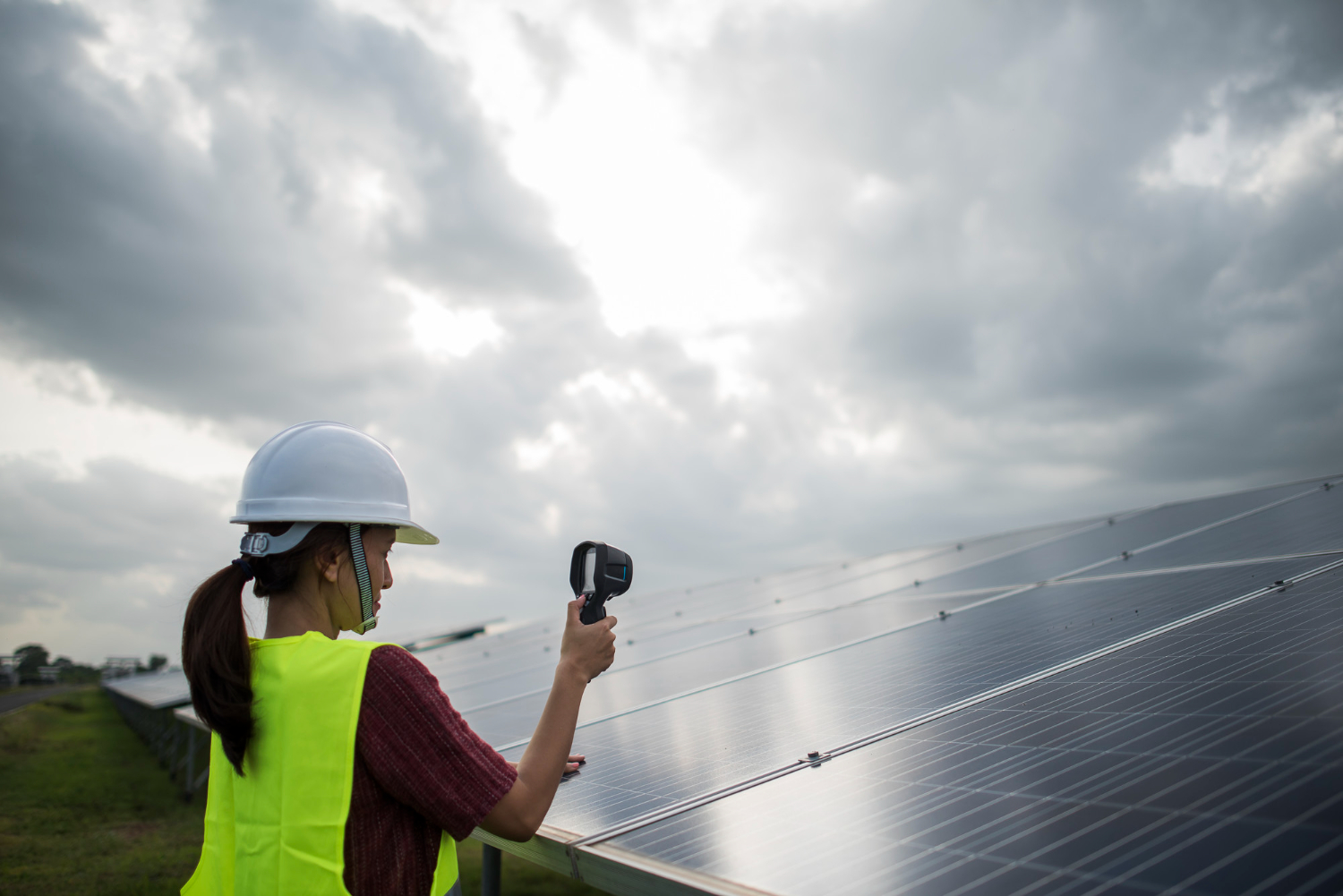
Regular cleaning and inspections help maintain peak performance.
Solar Panel Efficiency vs Cost
Many buyers focus only on upfront pricing.
Instead, evaluate the Levelized Cost of Energy (LCOE)—the total cost of generating electricity over the system's lifetime.
A premium solar panel may cost more initially but often delivers:
- Greater energy output
- Lower maintenance
- Better durability
- Higher lifetime savings
This usually results in a stronger long-term return on investment.
Best Solar Panels for Different Applications
Residential Homes
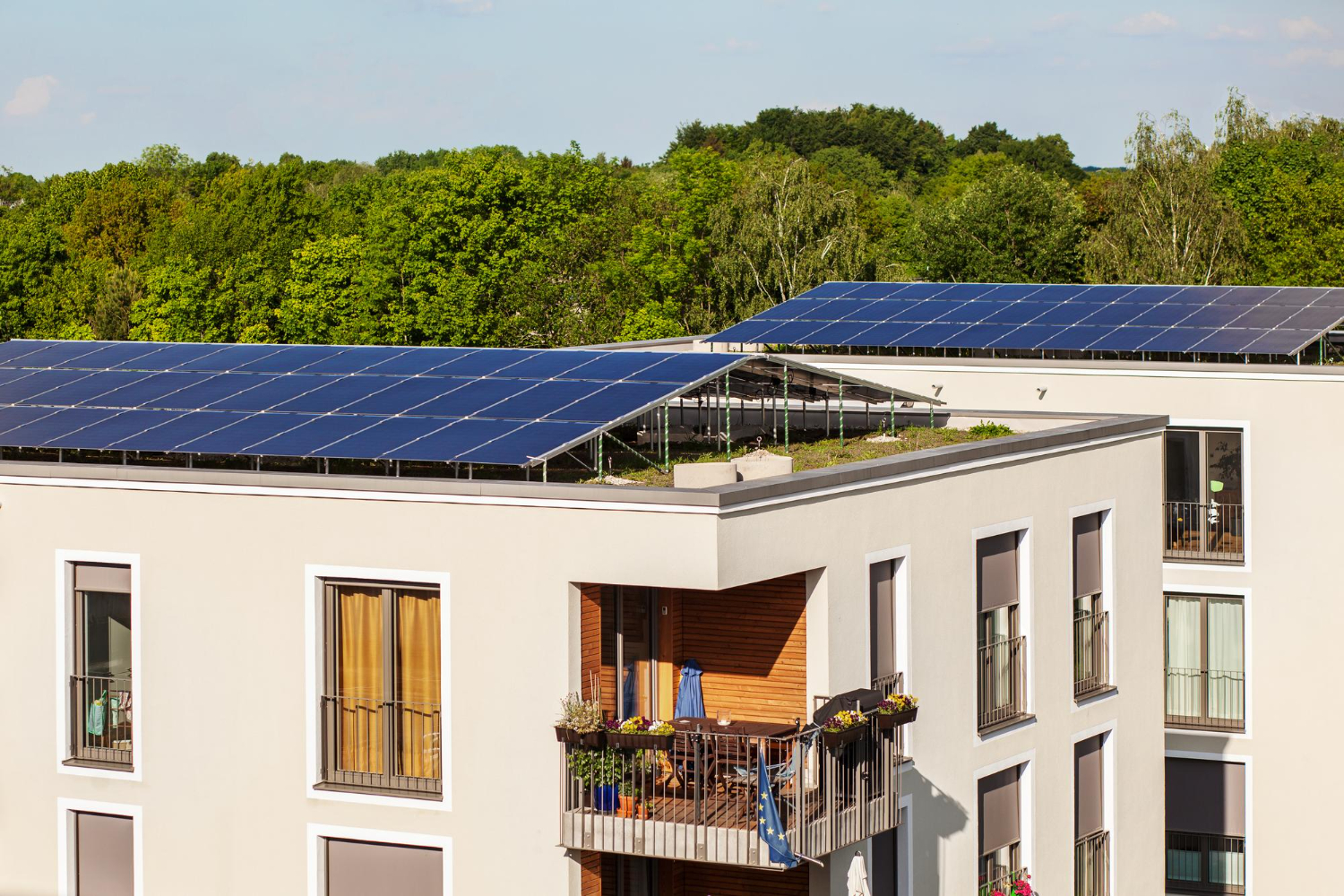
Recommended:
- High-efficiency monocrystalline panels
- Grid-connected rooftop solar systems
- Battery-ready systems
Commercial Buildings
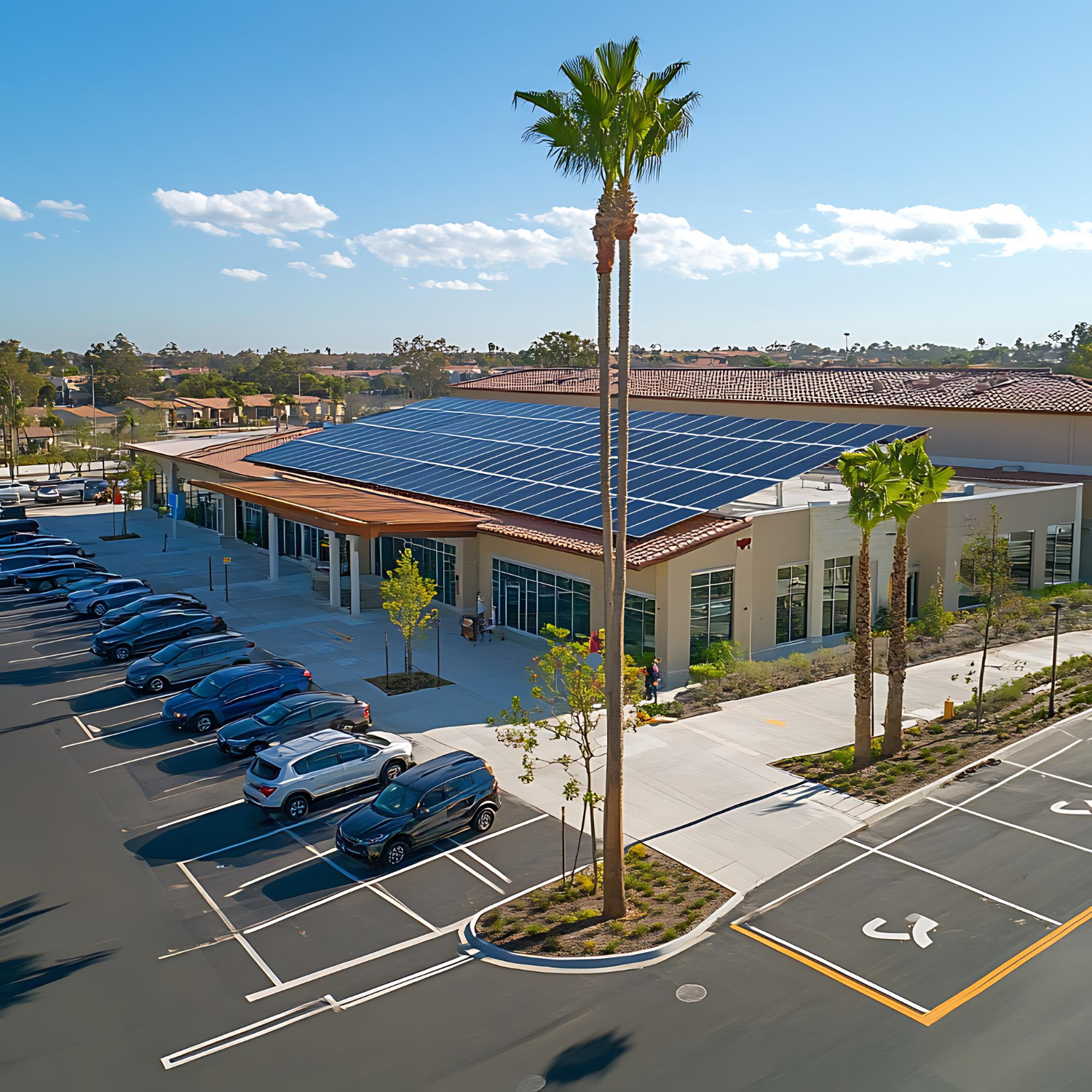
Recommended:
- High-output commercial solar panels
- Net-metering compatible systems
- Energy monitoring integration

Industrial Facilities
Recommended:
- Utility-grade solar modules
- Battery Energy Storage Systems (BESS)
- Large-scale solar EPC solutions
Viryasys Technologies also integrates Battery Energy Storage Systems (BESS) with solar installations to improve energy reliability, reduce dependence on diesel generators, and optimize power usage for commercial and industrial operations.
Common Mistakes to Avoid
❌ Choosing panels based only on price
❌ Ignoring warranty coverage
❌ Selecting low-quality installation partners
❌ Not considering future electricity demand
❌ Overlooking inverter quality
❌ Skipping annual maintenance
Why Work with an Experienced Solar EPC Company?
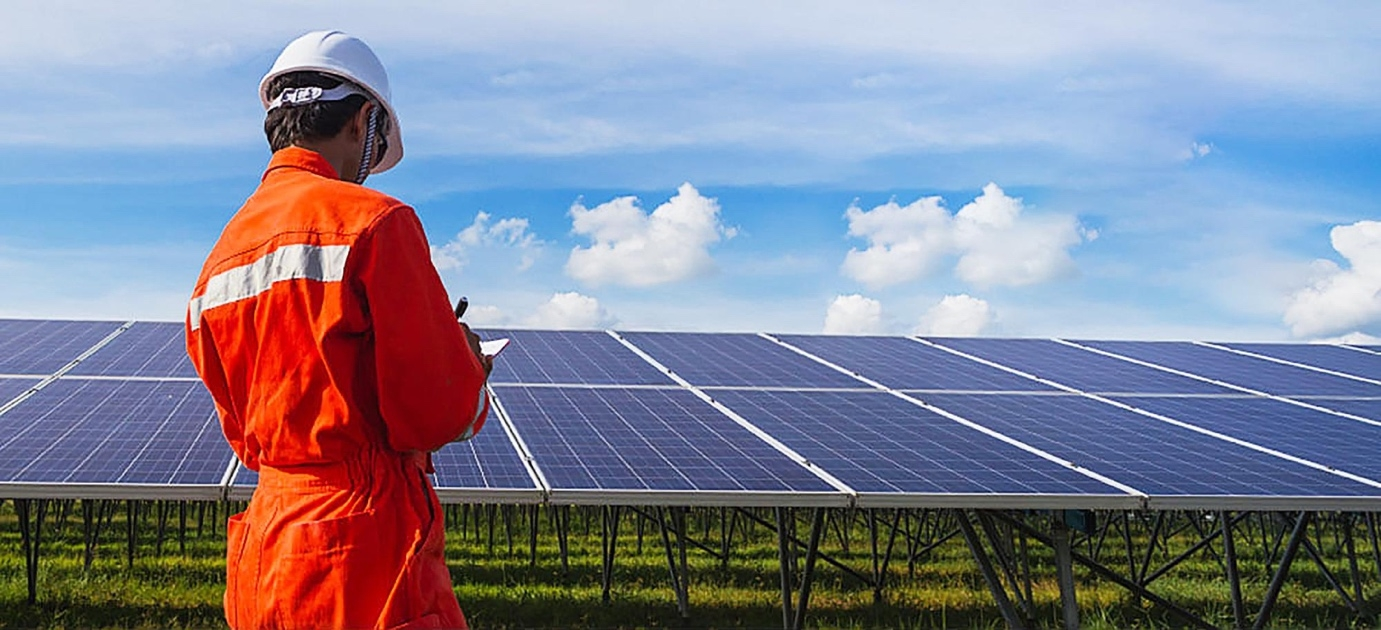
Even the best solar panels won't perform optimally without proper design and installation.
An experienced Solar EPC company ensures:
Site feasibility assessment
Site feasibility assessment
Accurate system sizing
Accurate system sizing
High-quality components
High-quality components
Professional installation
Professional installation
Government compliance
Government compliance
Performance monitoring
Performance monitoring
After-sales support
After-sales support
Viryasys Technologies delivers complete solar EPC services—from design and procurement to installation and ongoing maintenance—tailored to residential, commercial, and industrial energy needs.
Final Thoughts
Choosing the perfect solar panel isn't just about comparing prices—it's about investing in a system that delivers reliable performance, high efficiency, and long-term savings. By evaluating factors such as panel efficiency, roof space, warranty, system components, and installation quality, you can make a decision that supports your energy goals for decades.
Whether you're planning a rooftop solar installation, a commercial solar project, or an industrial solar power system, partnering with an experienced EPC provider can make all the difference. Viryasys Technologies offers customized solar solutions, advanced engineering expertise, and end-to-end project execution to help customers transition confidently to clean, sustainable energy. (viryasystech.com)