Introduction
India's energy landscape is changing rapidly. Rising electricity costs, growing environmental concerns, and increasing demand for reliable power are driving businesses and homeowners toward renewable energy solutions. Among the various renewable technologies available today, rooftop solar solutions have emerged as one of the most practical and cost-effective ways to generate clean electricity.
From residential homes and commercial buildings to large industrial facilities, rooftop solar systems are helping consumers reduce electricity bills, improve energy independence, and contribute to a greener future. As solar technology continues to advance and government support for renewable energy grows, rooftop solar is becoming a critical component of India's clean energy transition.
What Are Rooftop Solar Solutions?
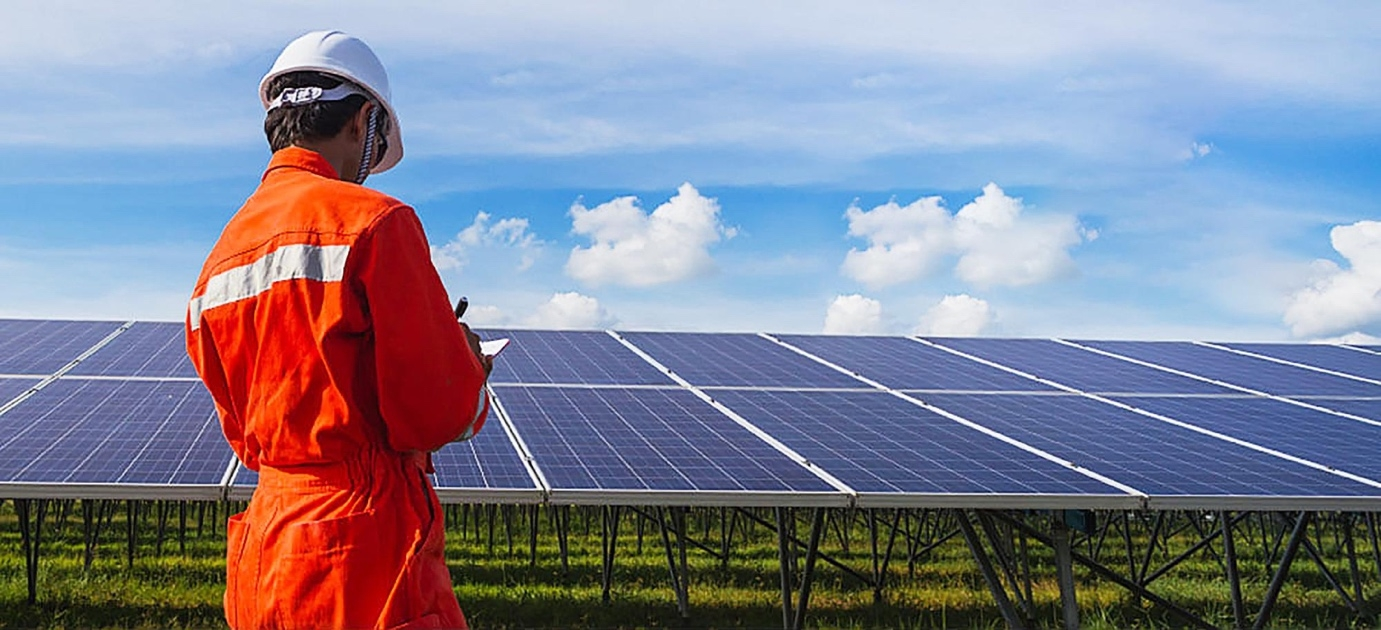
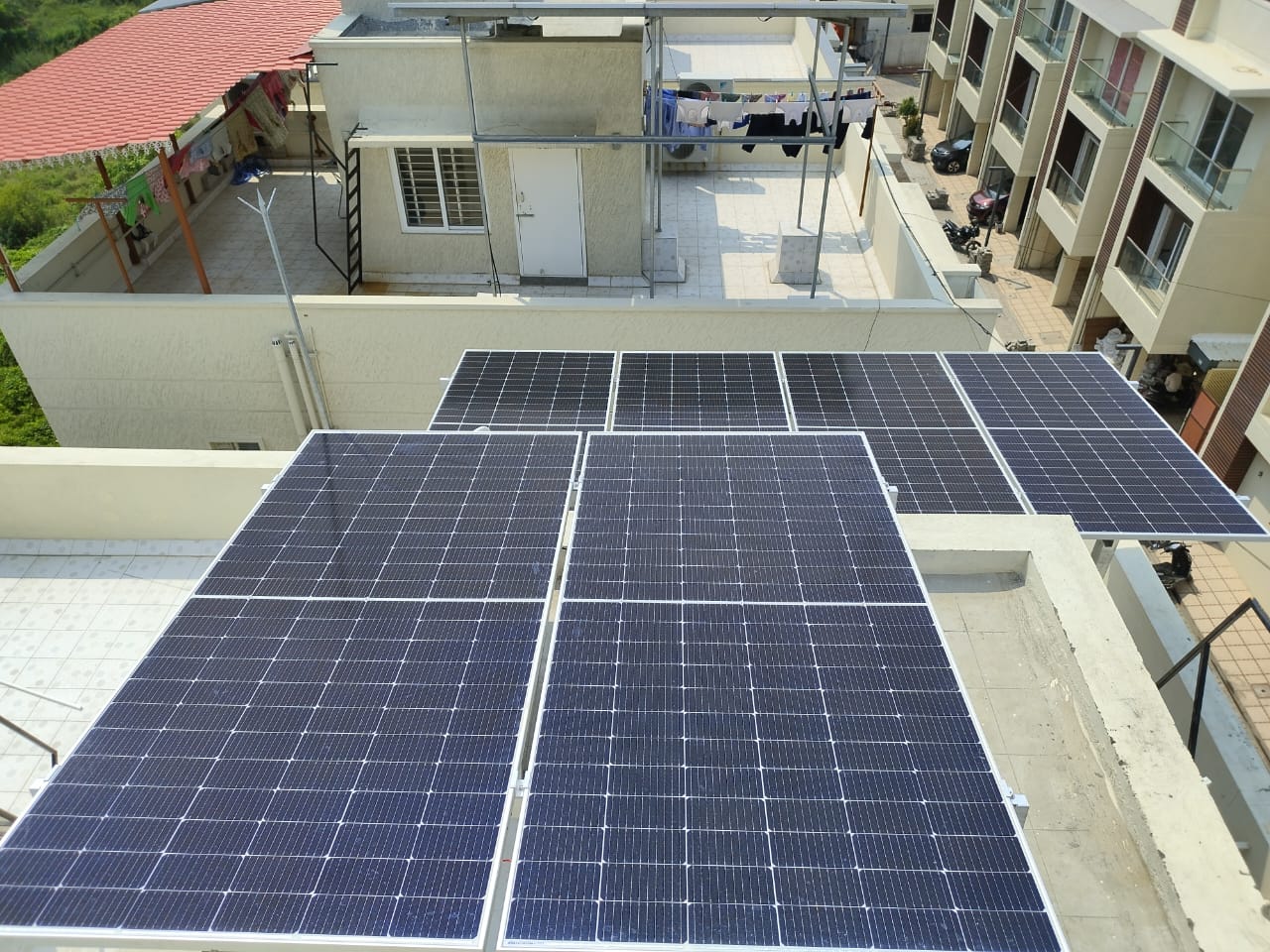
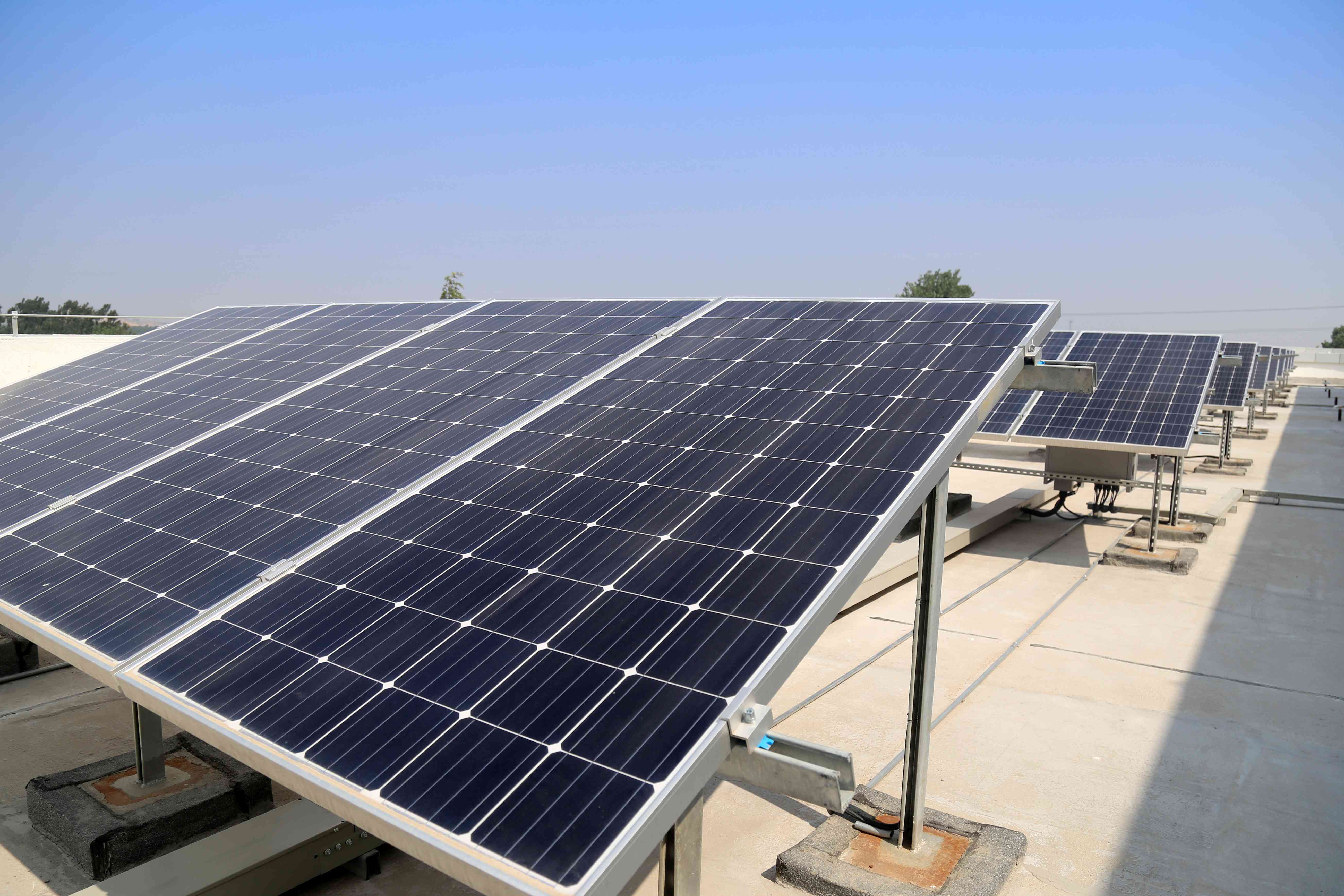
Rooftop solar solutions refer to solar photovoltaic (PV) systems installed on the roofs of residential, commercial, and industrial buildings. These systems capture sunlight and convert it into usable electricity through solar panels and inverters.
Unlike conventional electricity that relies on fossil fuels, rooftop solar allows property owners to generate their own power while reducing dependence on the utility grid. Rooftop solar systems can be designed as:
- On-Grid Solar Systems
- Off-Grid Solar Systems
- Hybrid Solar Systems
- Solar + Battery Storage Systems
By utilizing existing roof space, rooftop solar provides a highly efficient and sustainable energy solution without requiring additional land.
Why Rooftop Solar Is the Future of Energy
Rising Electricity Costs
Electricity tariffs continue to increase across residential, commercial, and industrial sectors. Rooftop solar helps offset these costs by generating electricity directly at the point of consumption.
Growing Demand for Clean Energy
Governments and businesses worldwide are prioritizing renewable energy to reduce carbon emissions and achieve sustainability goals. Rooftop solar offers an accessible pathway toward cleaner energy consumption.
Improved Energy Independence
Generating electricity onsite reduces reliance on grid power and protects consumers from fluctuating energy prices.
Technological Advancements
Modern solar panels provide higher efficiency, longer lifespans, and better performance than previous generations, making rooftop solar a more attractive investment.
Key Benefits of Rooftop Solar Solutions
Significant Reduction in Electricity Bills
One of the biggest advantages of rooftop solar is long-term savings on electricity expenses. Businesses and homeowners can generate a substantial portion of their daily energy requirements through solar power.
Attractive Return on Investment
Most rooftop solar systems achieve payback within a few years while continuing to generate electricity for 25 years or more.
Low Maintenance Requirements
Solar PV systems require minimal maintenance and offer reliable performance throughout their lifecycle.
Reduced Carbon Footprint
Every unit of solar electricity generated helps reduce dependence on fossil-fuel-based power generation and lowers greenhouse gas emissions.
Increased Property Value
Properties equipped with solar energy systems often attract higher market value due to reduced operating costs and sustainability benefits.
Rooftop Solar Solutions for Residential Buildings
Homeowners are increasingly adopting rooftop solar systems to combat rising electricity bills and achieve energy independence.
Benefits for Homeowners
- Lower monthly electricity expenses
- Reduced dependence on utility providers
- Clean and sustainable power generation
- Increased property value
- Long-term financial savings
Residential rooftop solar systems are ideal for villas, independent houses, apartment complexes, and gated communities.
Rooftop Solar Solutions for Commercial Buildings
Commercial establishments such as offices, shopping complexes, educational institutions, hospitals, and hotels have large daytime energy demands.
Installing rooftop solar helps businesses:
- Reduce operating costs
- Improve profitability
- Meet ESG targets
- Demonstrate environmental responsibility
- Achieve predictable energy expenses
Internal Linking Opportunity
Link to:
Industrial Rooftop Solar: Driving Manufacturing Efficiency
Industrial facilities consume significant amounts of electricity for production processes, machinery, HVAC systems, and lighting.
Industrial rooftop solar systems help manufacturers:
Reduce Operational Costs
Solar power lowers electricity expenses and improves overall profitability.
Improve Energy Reliability
Combining solar with energy storage solutions can enhance power reliability during peak demand periods.
Support Sustainability Goals
Manufacturers can reduce carbon emissions and accelerate their net-zero initiatives.
Strengthen ESG Performance
Sustainable operations increasingly influence investor and customer decisions.
Rooftop Solar and Battery Energy Storage Systems (BESS)
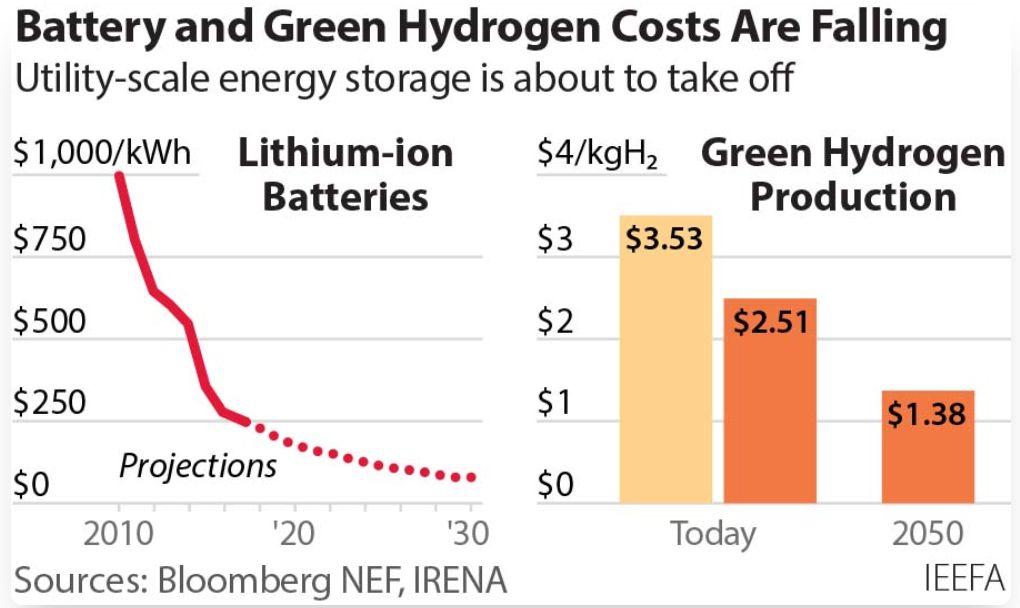
While solar panels generate electricity during daylight hours, Battery Energy Storage Systems (BESS) allow excess energy to be stored and used when needed.
The combination of rooftop solar and BESS offers:
- Enhanced energy reliability
- Reduced peak demand charges
- Backup power during outages
- Better energy management
- Greater energy independence
This integrated approach is becoming increasingly popular among commercial and industrial users seeking uninterrupted operations. Solar and BESS together can help maximize the value of renewable energy investments.
Internal Linking Opportunity
Link to:
How Rooftop Solar Supports Industrial Decarbonization
Industrial sectors face increasing pressure to reduce emissions and improve sustainability performance.
Rooftop solar contributes to industrial decarbonization by:
- Replacing fossil-fuel-based electricity
- Reducing Scope 2 emissions
- Supporting renewable energy adoption
- Improving overall energy efficiency
- Helping companies achieve net-zero targets
Businesses investing in rooftop solar today are positioning themselves for a more sustainable future. Viryasys itself highlights industrial sustainability, emissions reduction, and renewable energy integration as core focus areas.
Factors to Consider Before Installing a Rooftop Solar System
Available Roof Space
A site assessment helps determine the optimum system size based on available rooftop area.
Energy Consumption Pattern
Understanding electricity usage is essential for accurate system sizing.
Structural Suitability
Roof strength and orientation influence solar performance and installation feasibility.
Solar Panel Quality
Choosing high-performance solar panels ensures better energy generation and long-term reliability.
Inverter Selection
A quality inverter is critical for efficient power conversion and system monitoring.
Future Energy Requirements
Systems should be designed to accommodate future expansion whenever possible.
Why Businesses Are Investing in Rooftop Solar Today
Organizations across industries are choosing rooftop solar because it delivers both environmental and financial benefits.
Key drivers include:
- Lower electricity costs
- Energy security
- ESG compliance
- Sustainability commitments
- Reduced carbon emissions
- Long-term operational savings
As energy costs continue to rise, rooftop solar is becoming a strategic business investment rather than simply an environmental initiative.
The Future of Rooftop Solar in India
India is witnessing rapid growth in solar adoption across residential, commercial, and industrial sectors. Increasing awareness, supportive government policies, advancements in solar technology, and the growing demand for sustainable energy solutions are expected to accelerate rooftop solar deployment over the coming years.
The future energy ecosystem will increasingly combine:
- Rooftop Solar
- Battery Energy Storage Systems
- Smart Energy Management
- Renewable Energy Integration
- Industrial Decarbonization Solutions
Organizations that adopt these technologies early will be better positioned to reduce costs, improve sustainability, and remain competitive in the evolving energy landscape.
Conclusion
Rooftop solar solutions are transforming the way homes, businesses, and industries consume electricity. By providing clean, reliable, and cost-effective energy, rooftop solar is helping India move toward a more sustainable future.
Whether you are a homeowner looking to reduce electricity bills, a commercial facility seeking operational savings, or an industrial organization pursuing decarbonization goals, rooftop solar offers a practical and future-ready energy solution.
As renewable energy adoption continues to accelerate, rooftop solar will remain one of the most important technologies powering India's clean energy transition.